1
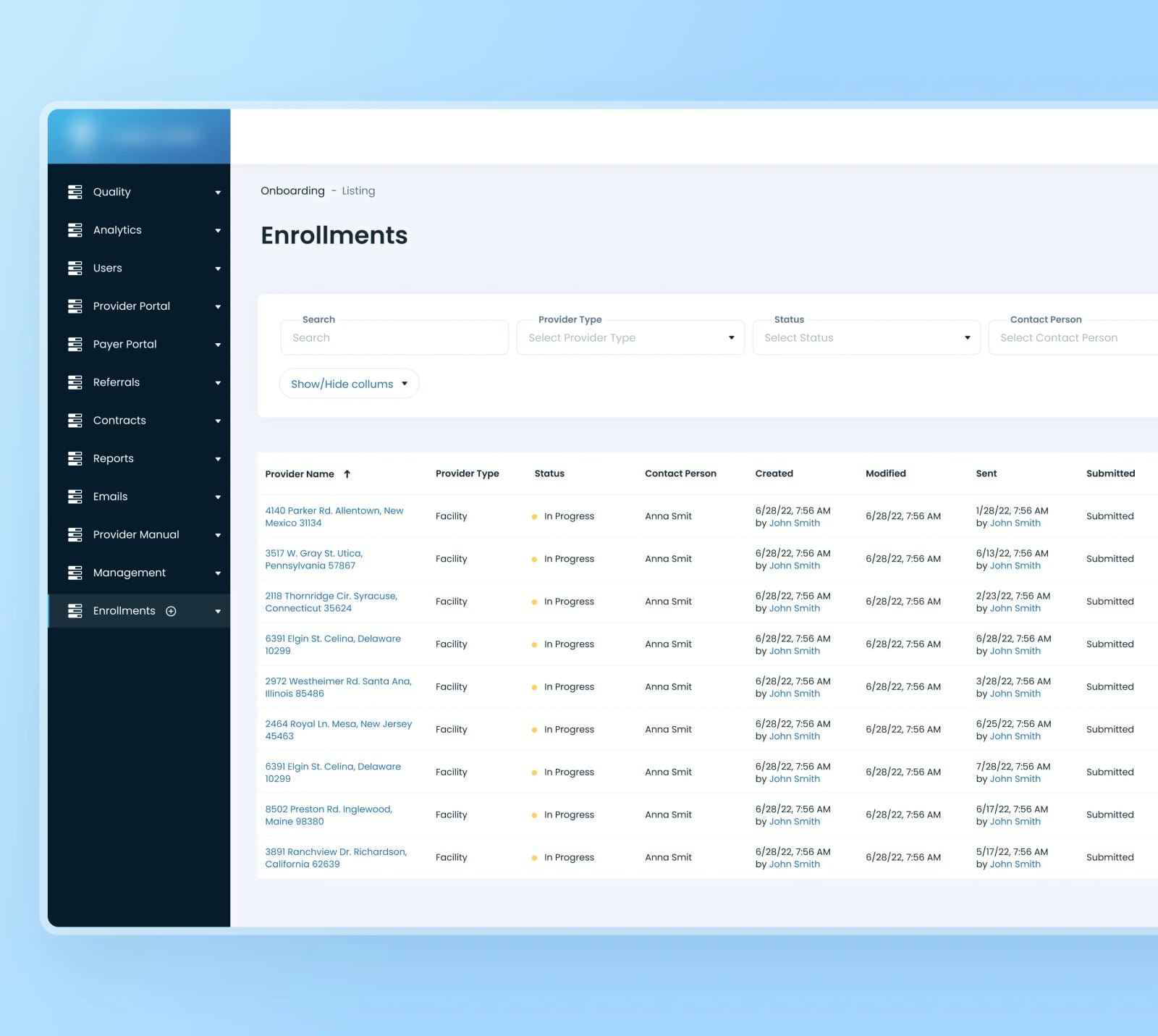
Online onboarding for new providers
Healthcare providers who want to join the client's network are onboarded online. The form replaced the back-and-forth emails and phone calls that bringing in a new provider used to take.
A US Third-Party Administrator offering 70+ bundled payments at 120+ outpatient surgery centers was hitting a scaling wall: the provider support team was buried under phone calls and emails. The brief was a self-service portal, with a minimum viable system rolled out within 10 weeks. Claims and referrals now process three times faster, and inbound calls and emails dropped 95%.
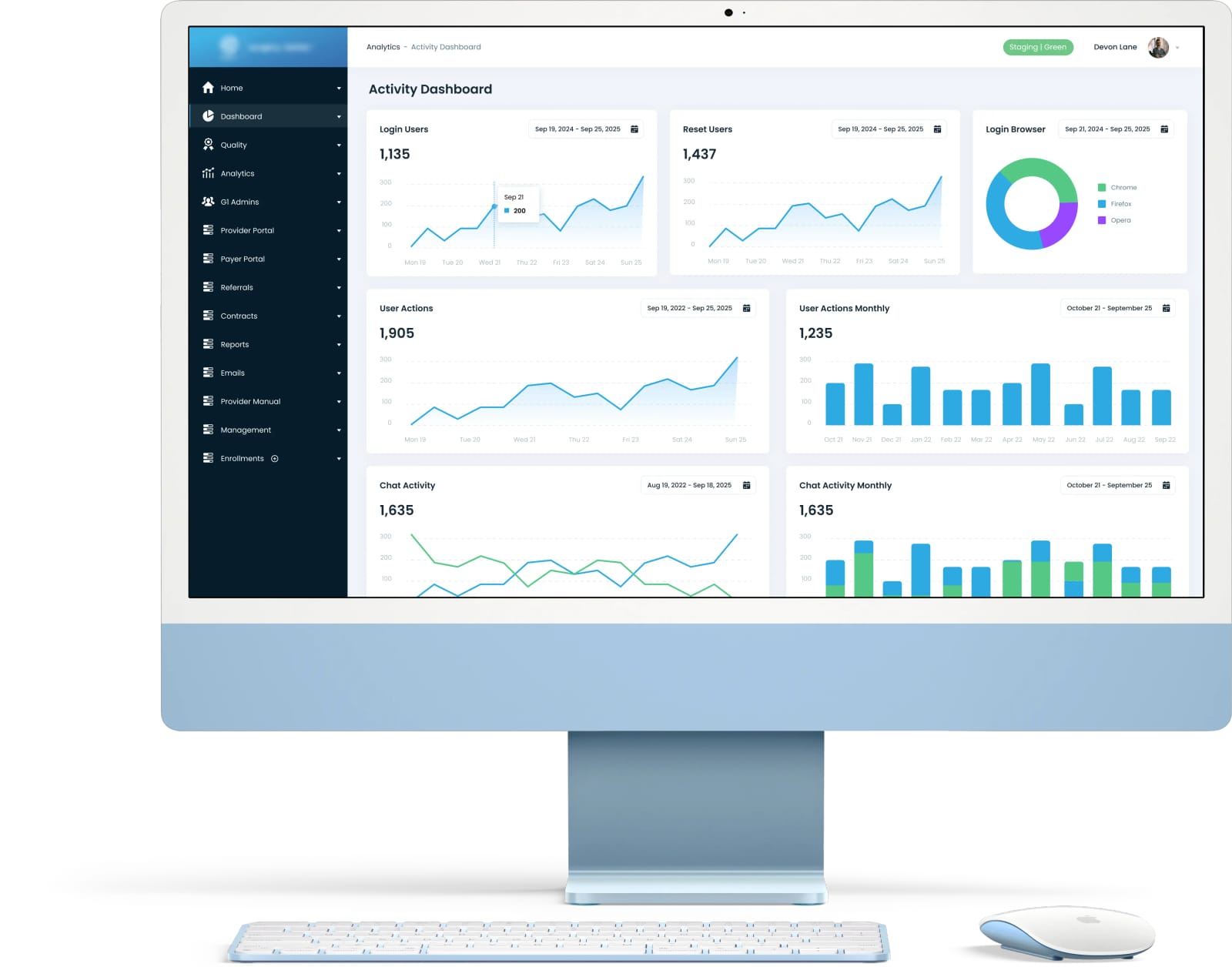
Claims and referrals are now processed three times faster.
The TPA was a leader in bundled-payment structures, but as its customer base grew, insufficient automation started delaying claims and referrals.
The provider support team was inundated with phone calls and emails with questions about claims and referrals.
The company could not keep up with that growth without hiring additional employees, and it wanted a minimum viable system rolled out within 10 weeks.
Healthcare providers who want to join the client's network are onboarded online. The form replaced the back-and-forth emails and phone calls that bringing in a new provider used to take.
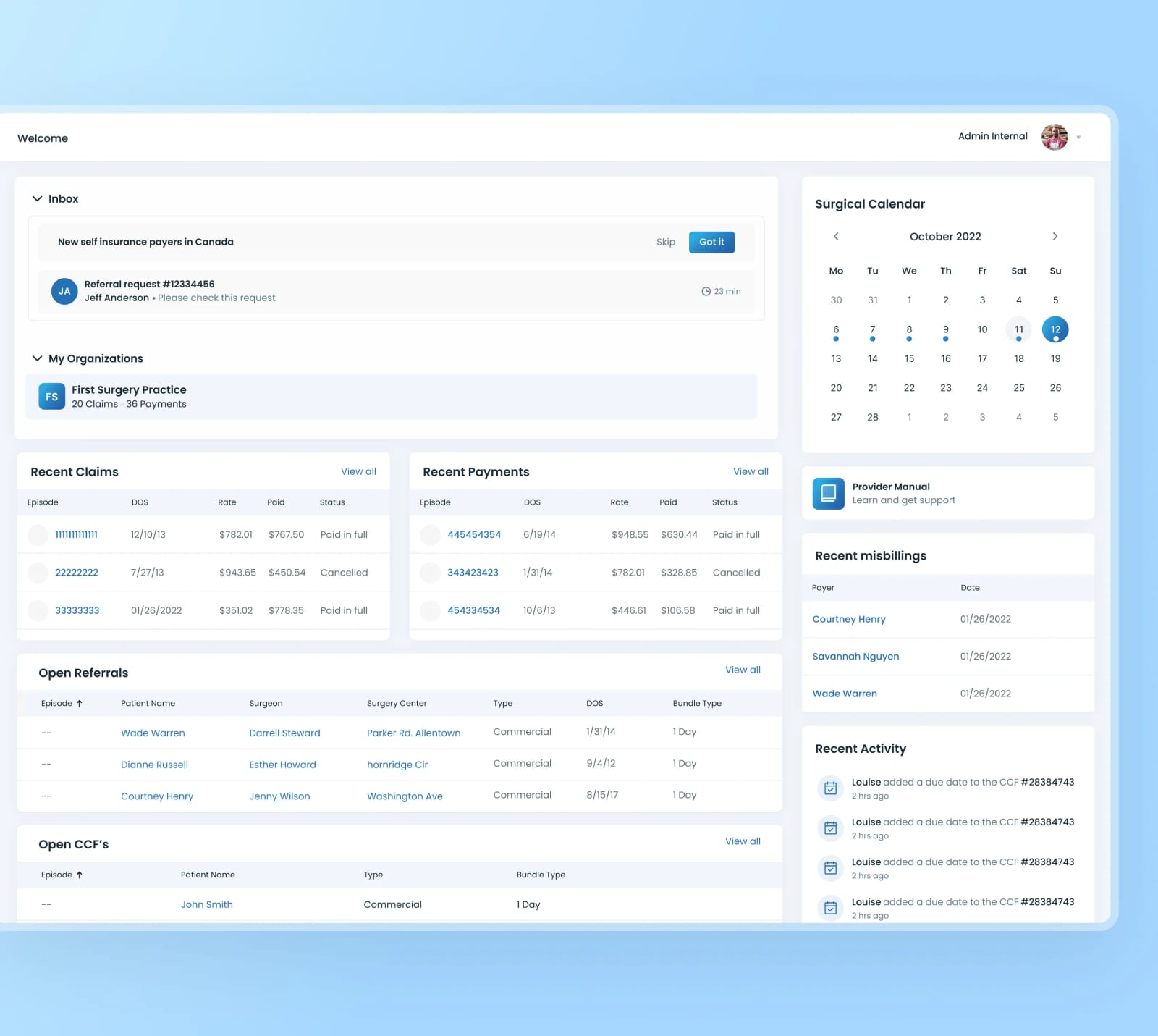
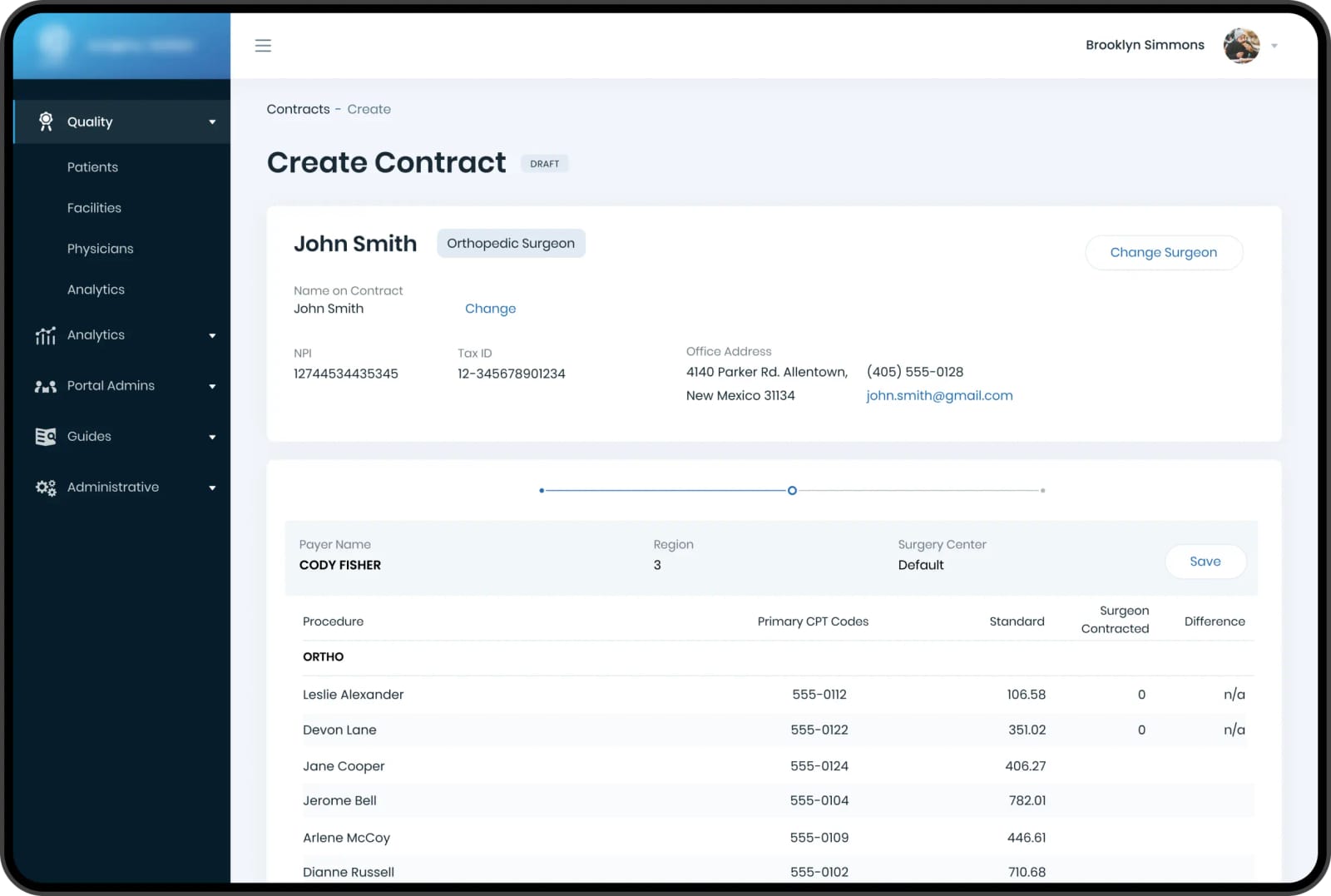
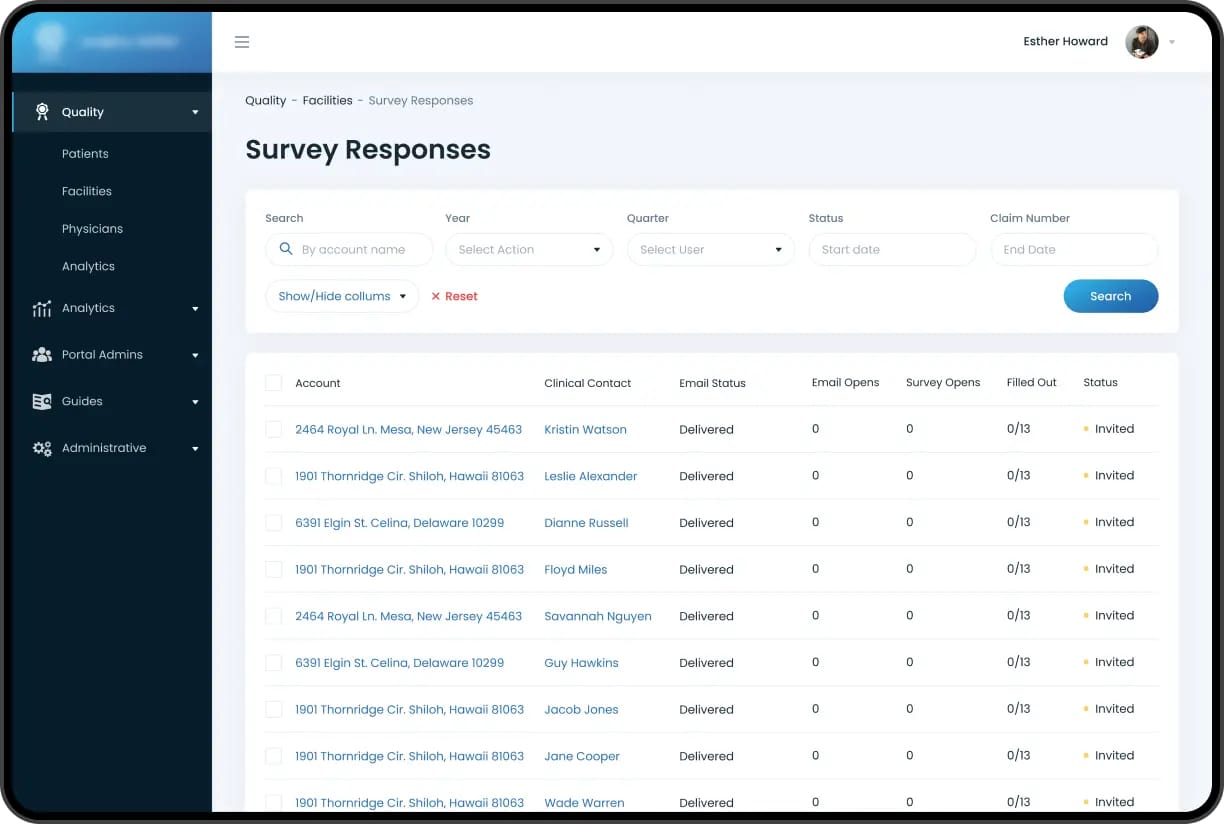
Providers submit, track and manage case referrals, claims and payments on their own. Their home screen shows recent claims and referrals next to a surgery calendar.
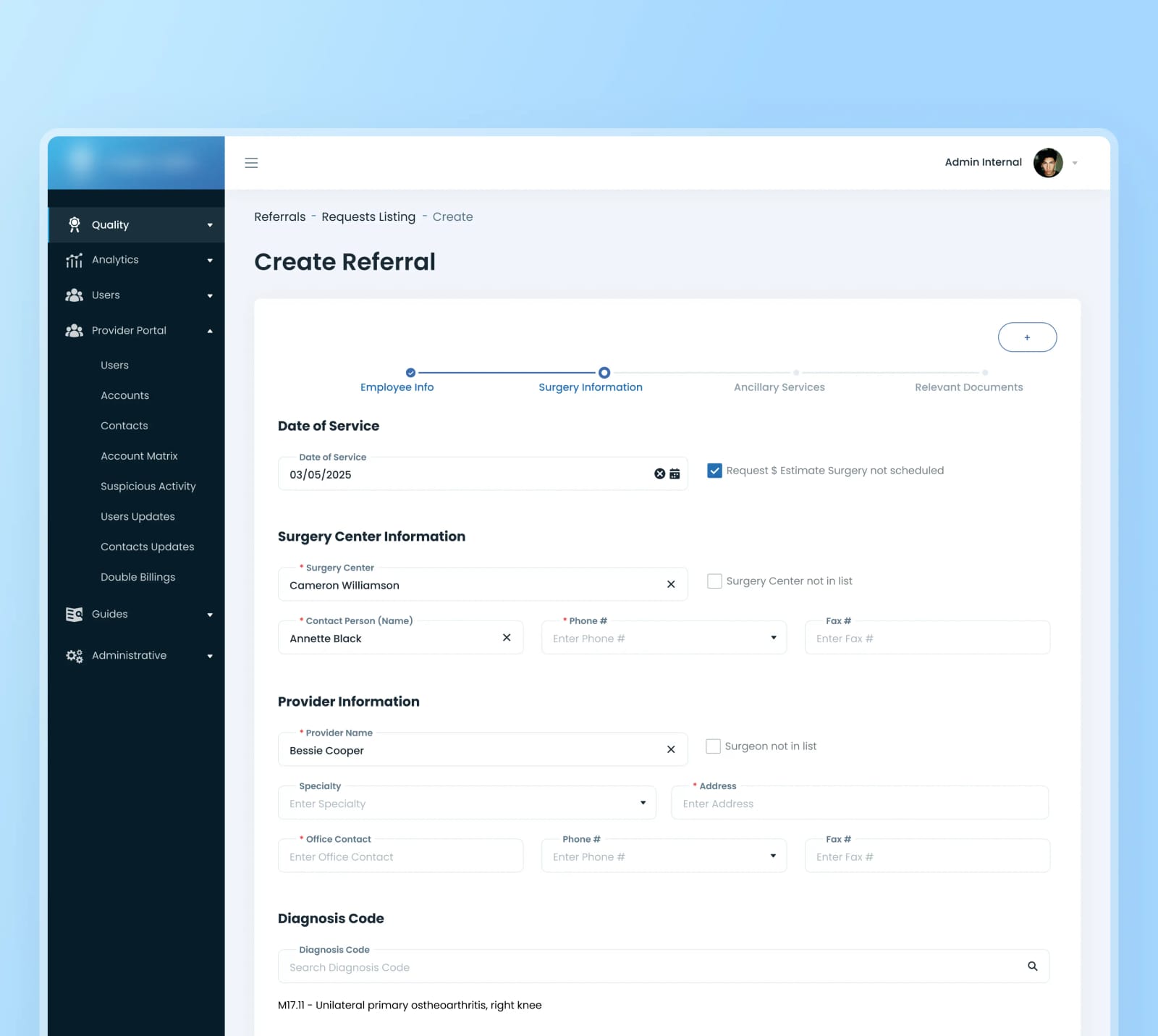
While creating a referral, providers find specialists who are close by or inside the client's state-wide network. The look-up module streamlined referrals and sped up approvals.
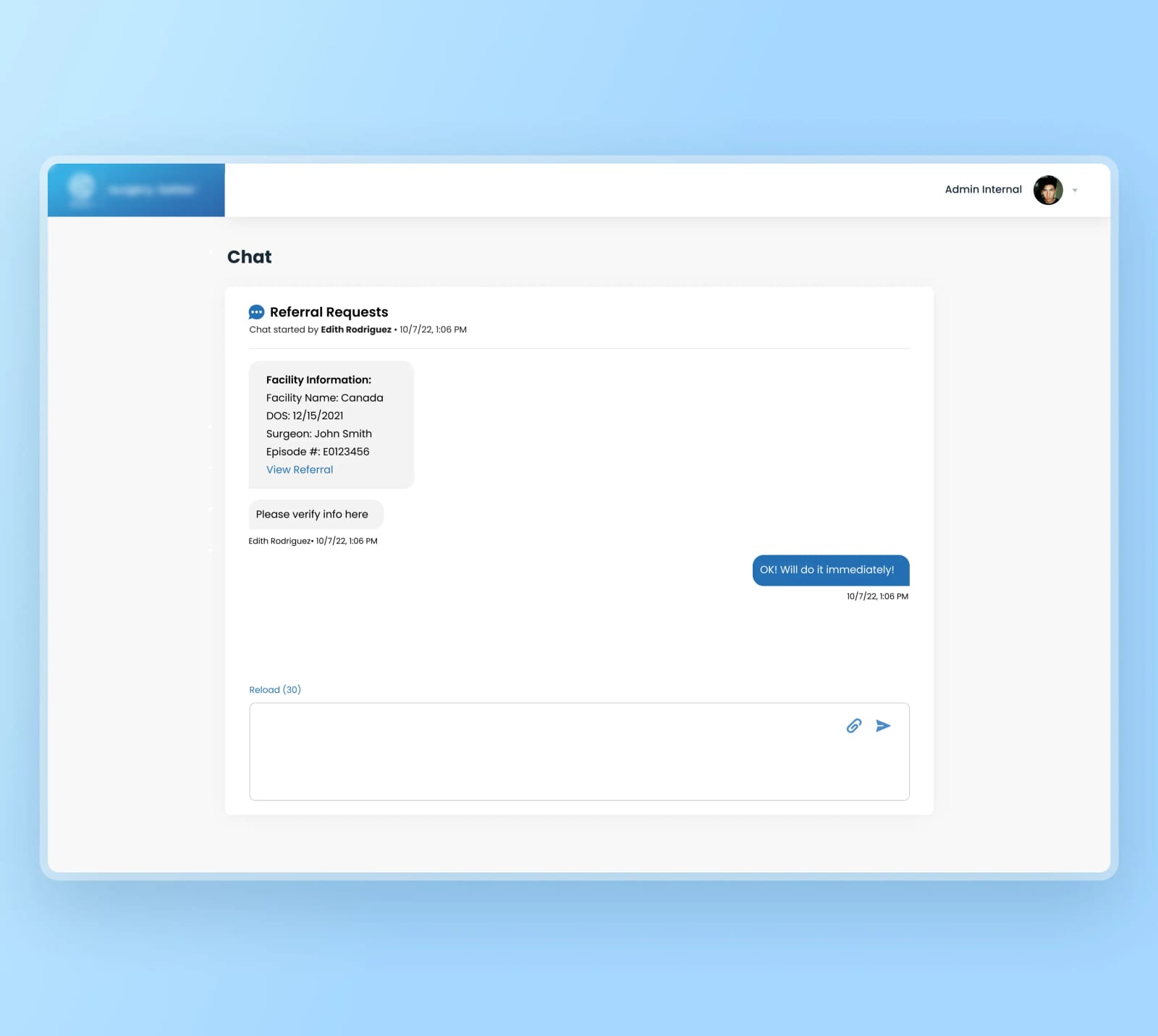
Chat sits in the main areas of the portal, so providers ask questions and make requests where they work. It calls in the right department for that part of the portal and saves every conversation, so users continue where they left off.
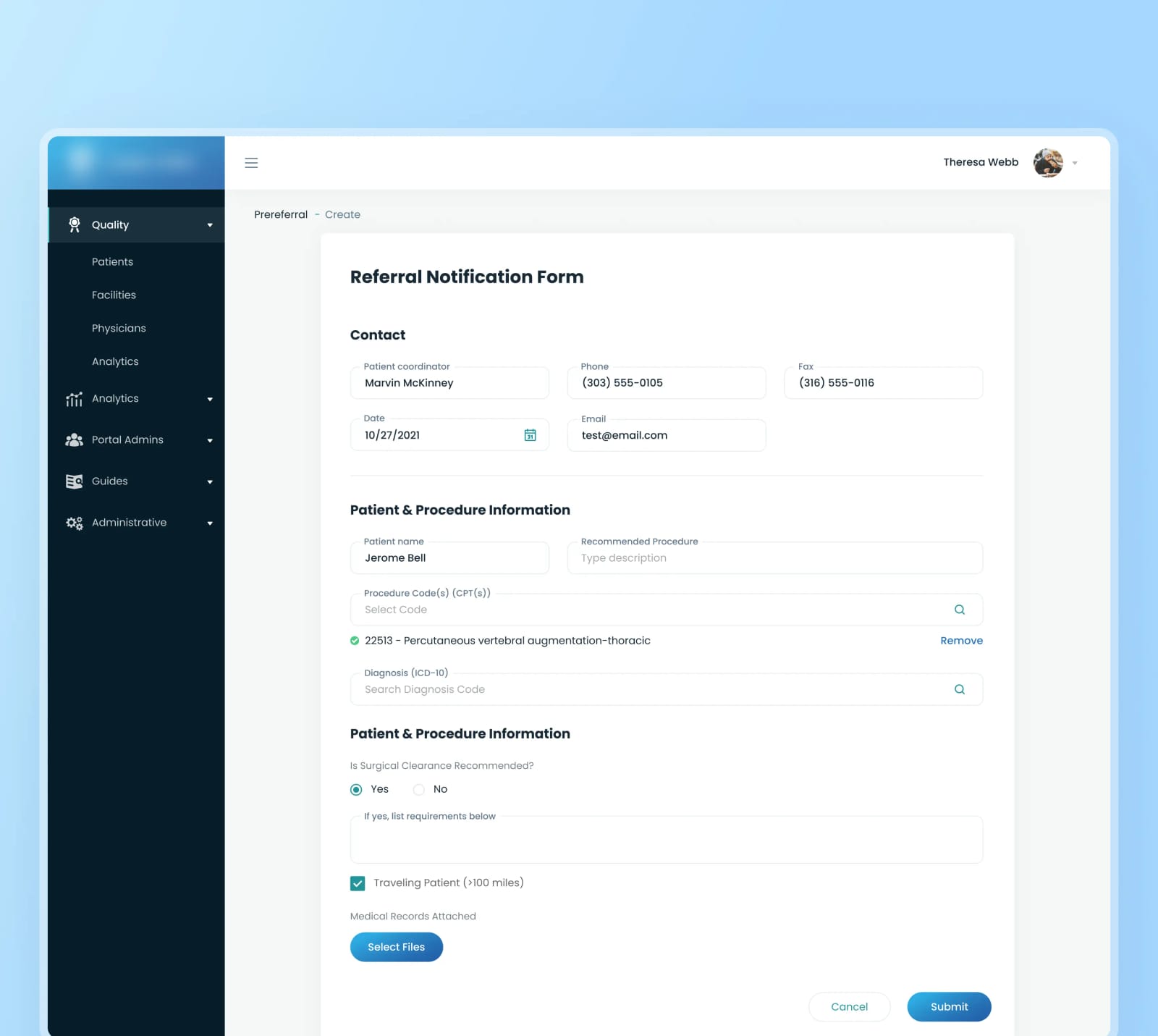
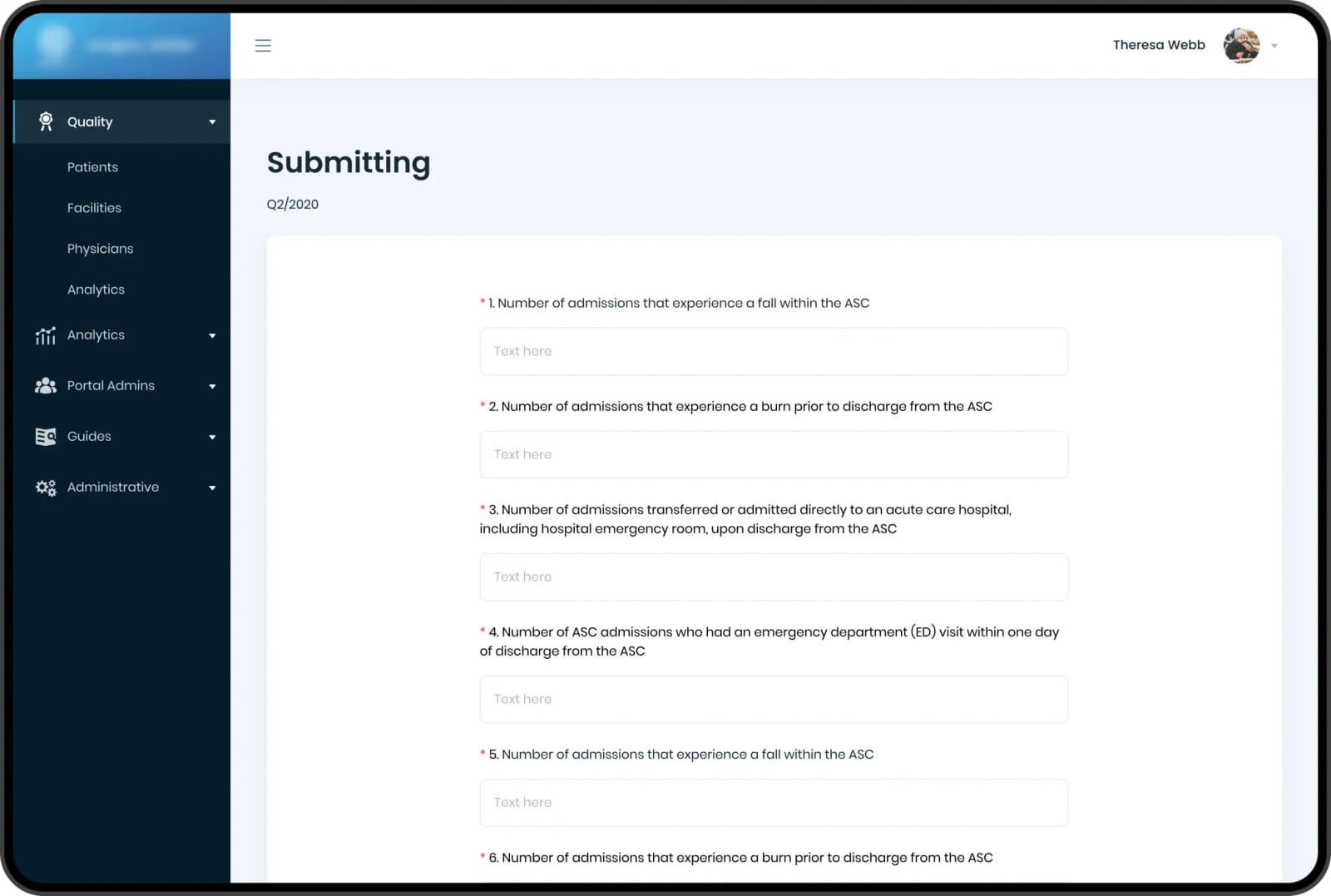
The system checks each claim and referral against strictly defined parameters and enters it into the client's EHR. That saves the support team's time and speeds up submissions.
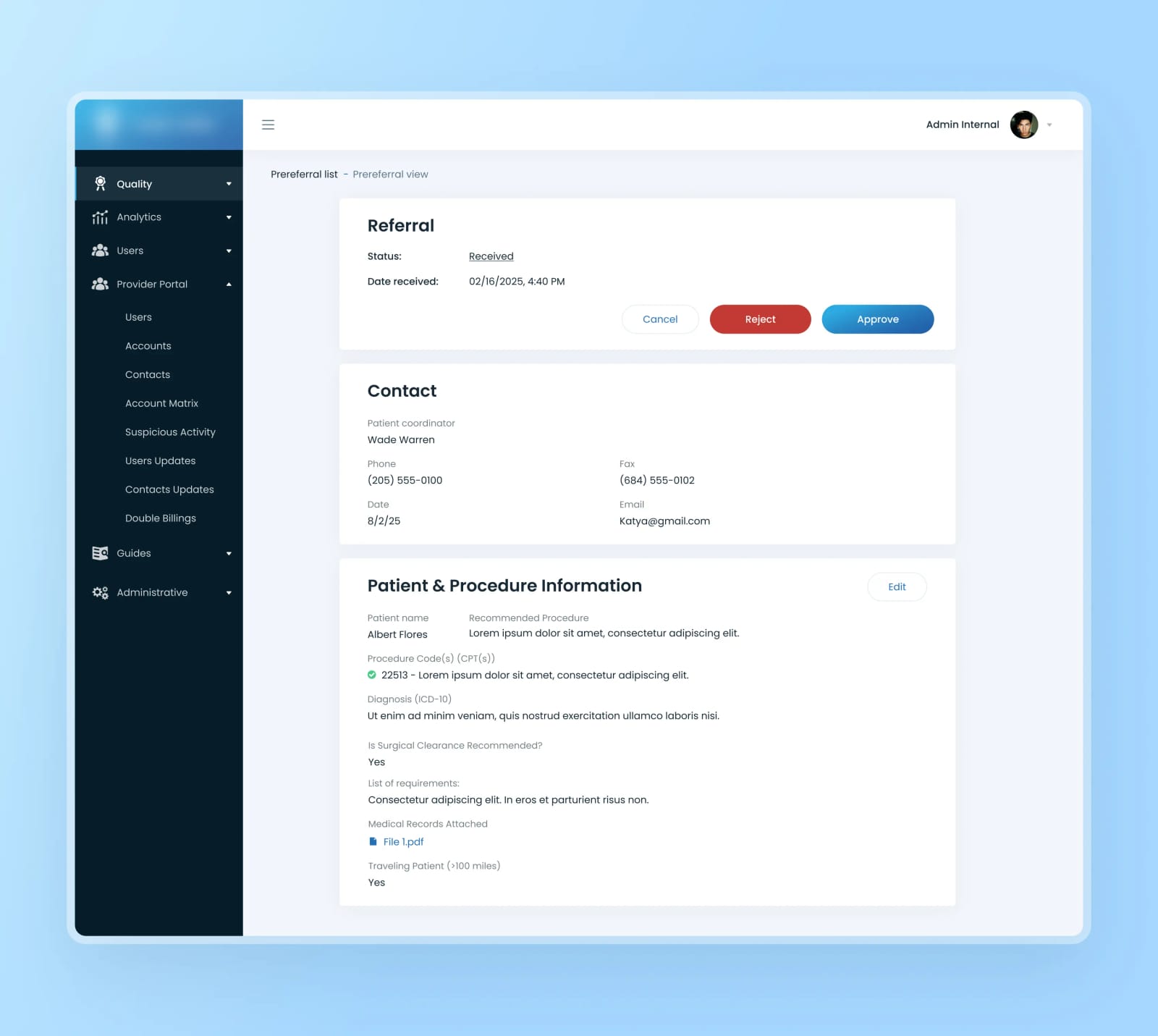
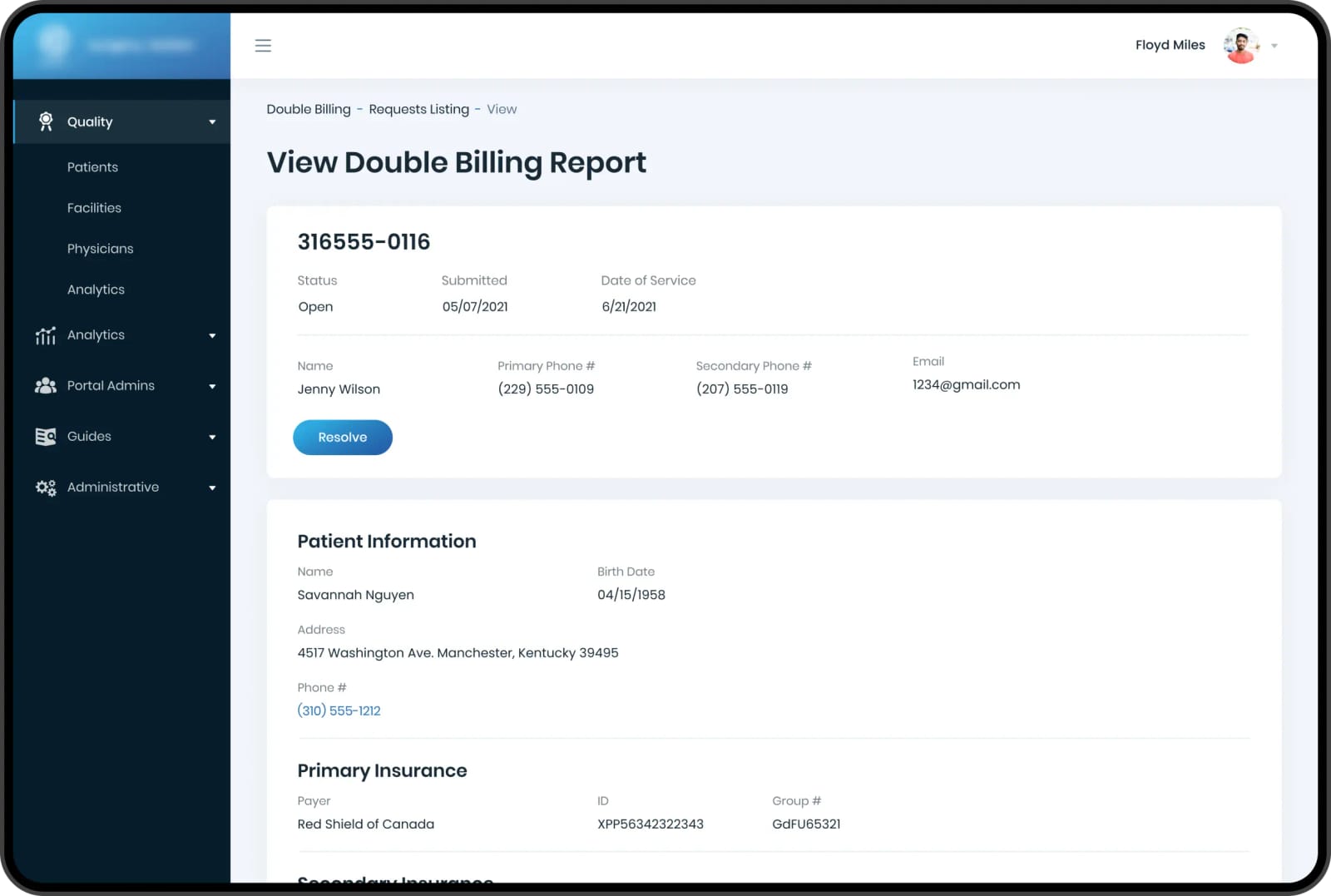
The client's claims team reviews questionable claims and referrals on a dashboard of their own. Each case opens with its procedure details and the actions to take.
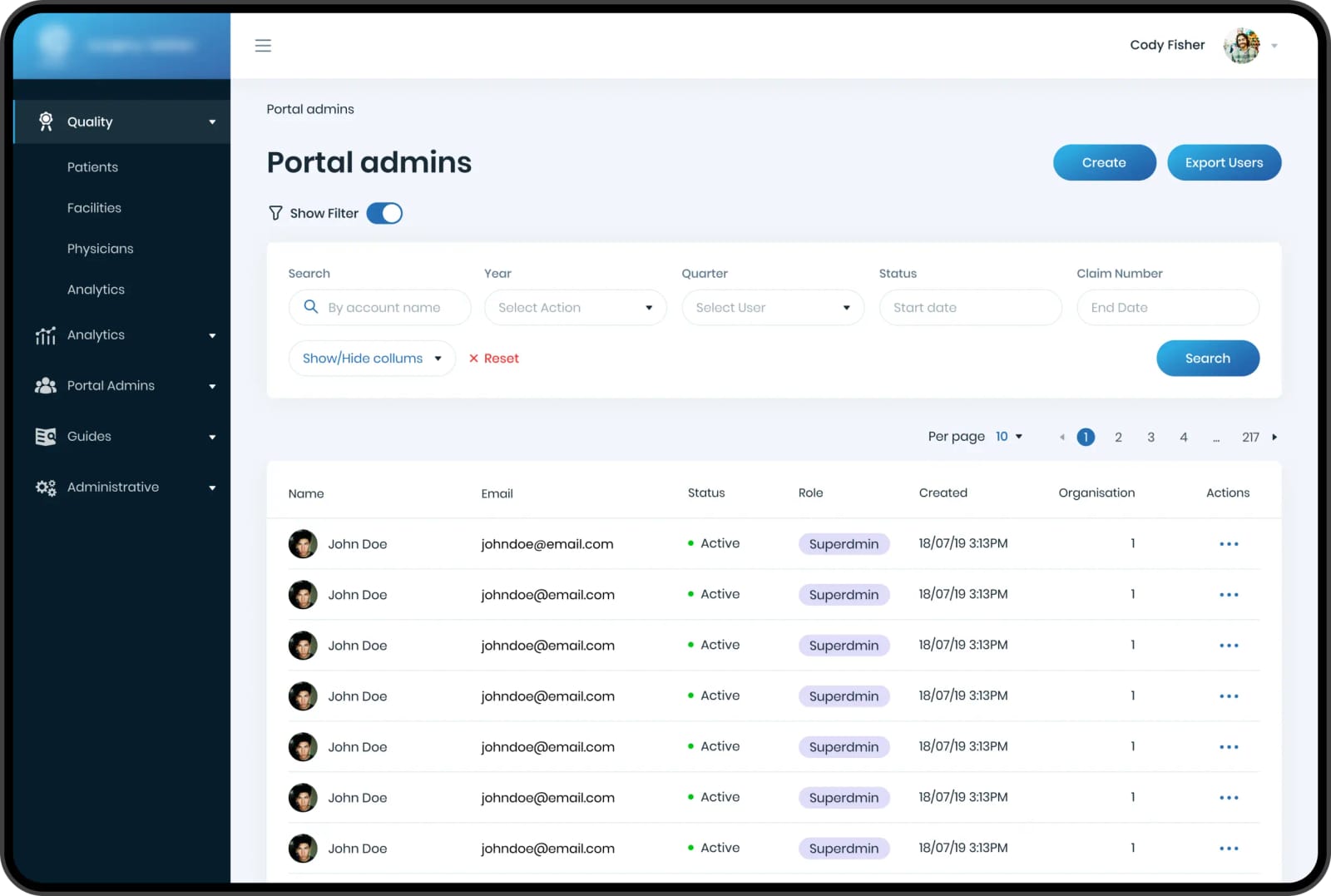
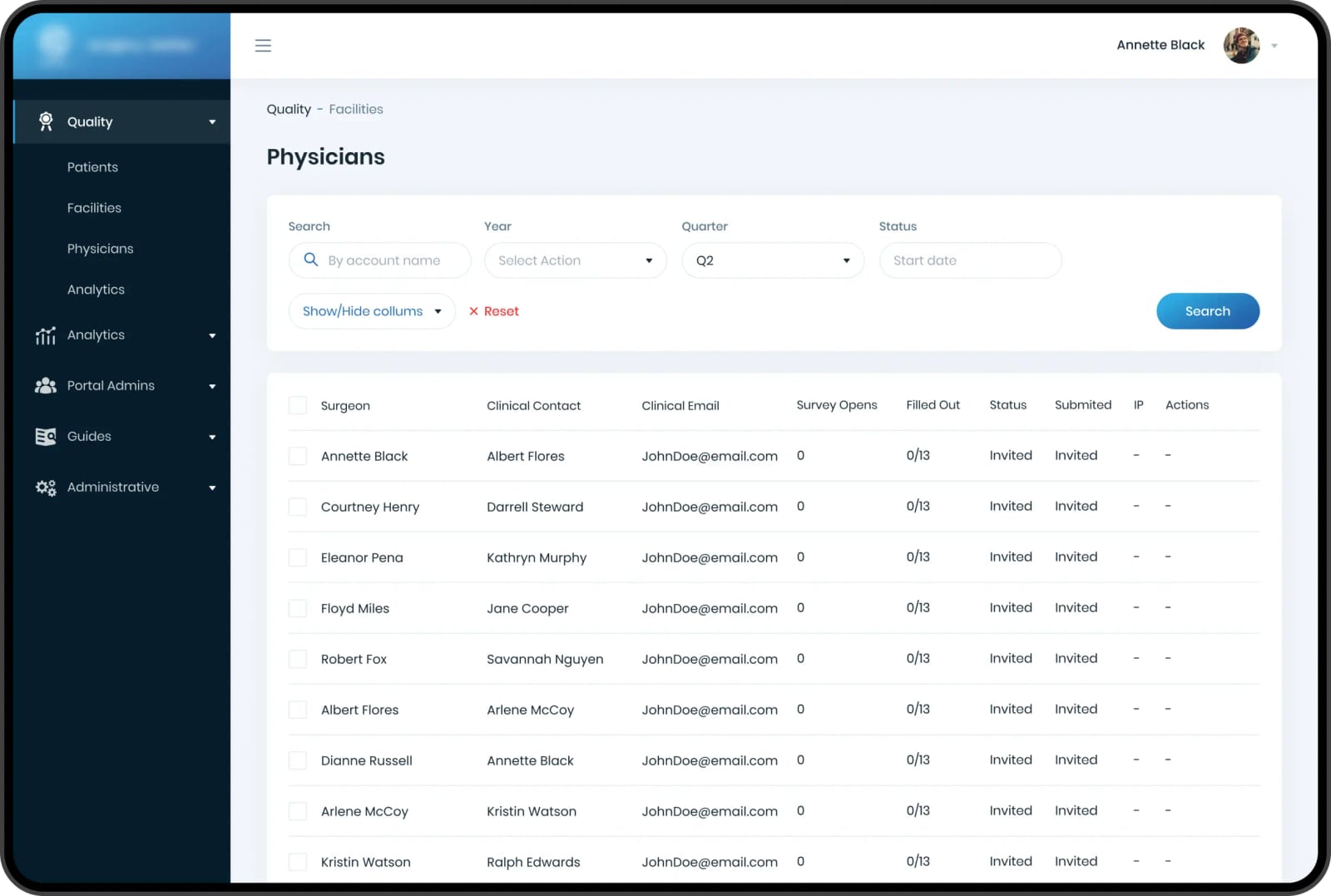

White-label mobile + dashboard platform enabling healthcare organizations to launch branded apps for patient-network coordination. Six apps live, 5+ year partnership.
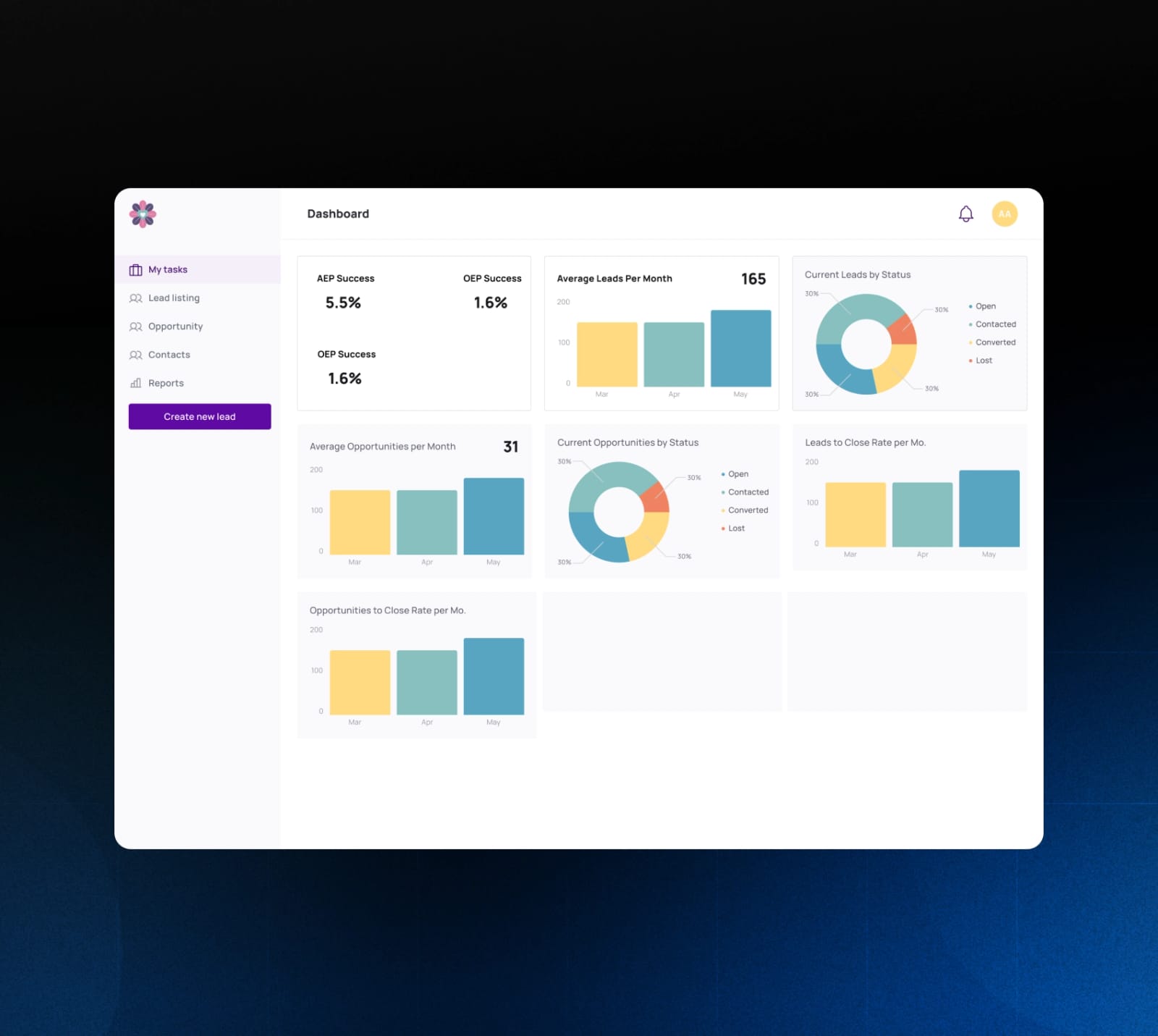
Custom HIPAA-compliant CRM replacing off-the-shelf SaaS. Mapped directly to the agent workflow; deployed on the client's private server instead of paying monthly third-party CRM fees.