Rule-based checks
Rules your clinicians define, such as dose ranges or missing tests, shown at the right step.
We build decision support tools: rule-based checks, reminders and AI assistants that cite their sources. The clinician sees the reason for each suggestion and makes the decision.
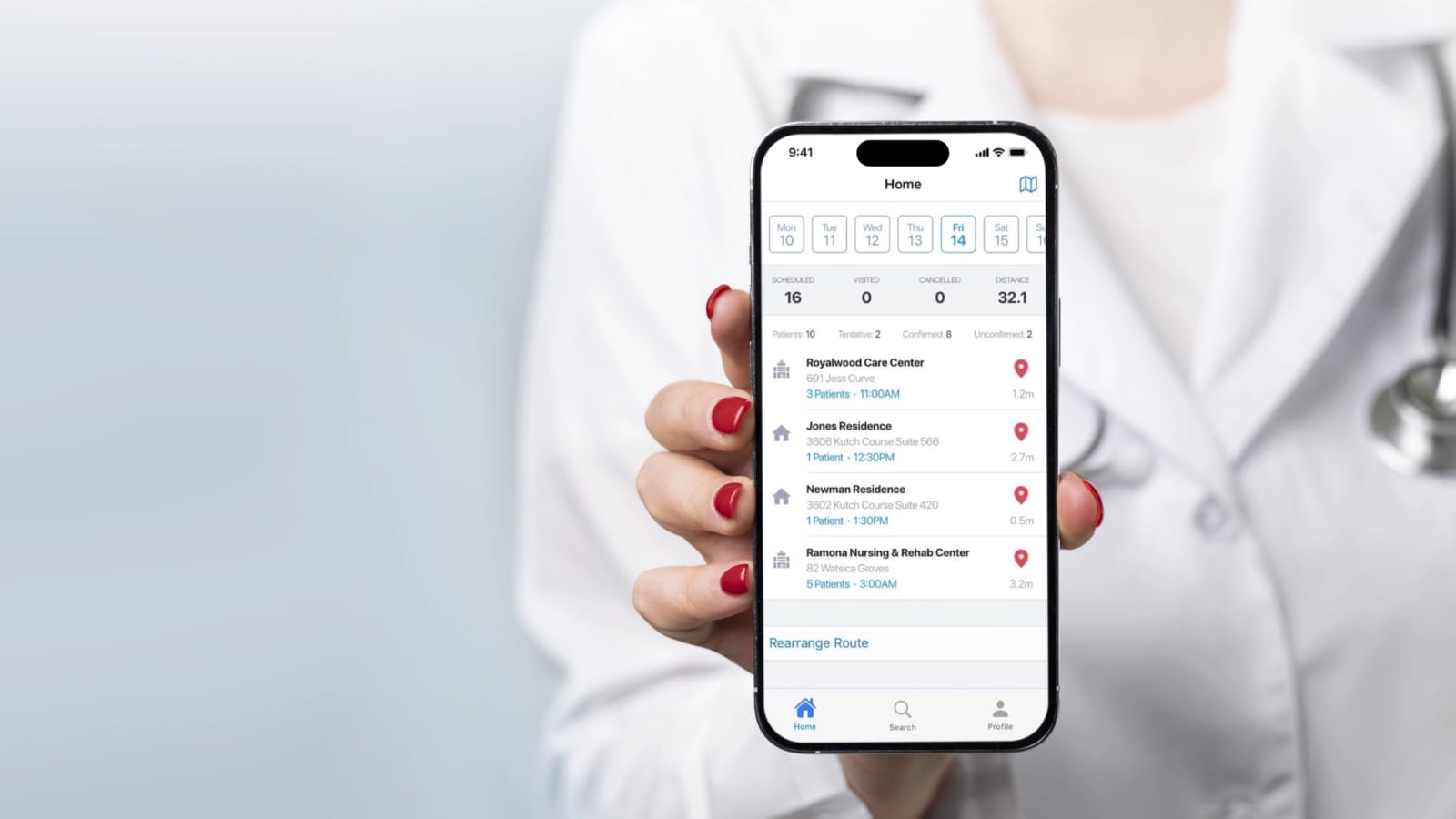
Onix Health builds clinical decision support tools: rule-based checks your clinicians define, reminders and care pathways, and AI assistants that cite the source of each suggestion. They can open inside the EHR through SMART on FHIR or CDS Hooks. The clinician sees the reason for each suggestion and makes the decision, and we document the logic so your regulatory lead can decide whether FDA device rules apply.
Rules your clinicians define, such as dose ranges or missing tests, shown at the right step.
Suggestions drawn from your guidelines and records, each with a link to its source.
Apps that open inside the EHR using SMART on FHIR or CDS Hooks, built from the vendor's documentation and sandbox.
Step-by-step pathways per condition, with reminders when a step is overdue.
Tracking of which alerts staff ignore, so rules that do not help can be changed or removed.
A set of real examples with known answers, run on every change to the rules or the model.
Five working days. We look at your current system, data and plans, and you get a written report with what we found and what we would do.
We agree with your clinicians what the tool should check or suggest, and where in the workflow it appears. You get a dated plan.
Your regulatory lead decides if the feature falls under FDA device rules. We document the logic so that decision is easy to make.
We test every rule against real examples, sign a BAA before patient data, and pass a penetration test before launch.
It is software that gives clinicians checks, reminders or suggestions while they care for a patient. Examples are dose-range checks, overdue test reminders and guideline lookups.
Sometimes. Under FDA guidance, software that lets a clinician see and check the basis for each suggestion is often not a device, while software that drives a diagnosis or treatment can be. Your regulatory lead makes the call, and we document the logic to support it.
Yes, through standards such as SMART on FHIR and CDS Hooks. We have shipped Epic and athenahealth integrations, and for new parts of any EHR we work from the vendor's documentation and sandbox.
Yes, as an assistant that cites its sources and leaves the decision to the clinician. We run Claude through AWS Bedrock or Anthropic directly and test it against real examples before launch.
We track which alerts staff override and review them with your clinicians. Rules that do not help get changed or removed.