EHR integrations
We have shipped Epic and athenahealth integrations. For Oracle Health (Cerner) or other EHRs we work from the vendor's documentation and sandbox.
We connect EHRs, portals, CRMs and billing systems using FHIR, HL7 and vendor APIs. We have shipped Epic and athenahealth integrations, and for other systems we work from the vendor's documentation and sandbox.
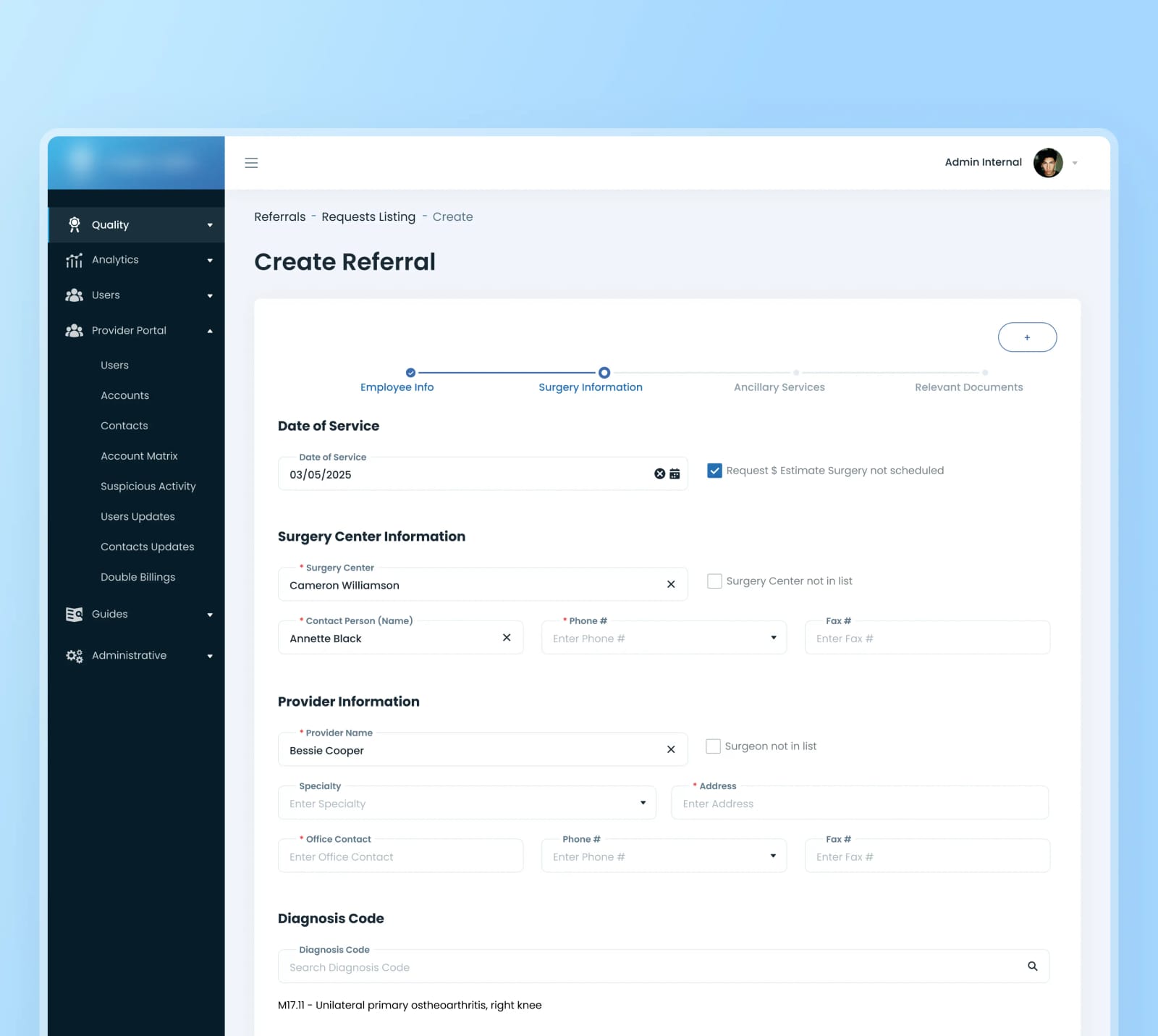
Onix Health connects EHRs, portals, CRMs and billing systems through FHIR R4, HL7v2 and vendor APIs. We have shipped Epic and athenahealth integrations, and for other systems we work from the vendor's documentation and sandbox. Each connection is built against the sandbox, tested with missing, late and wrong data, and goes live after a BAA is signed and a penetration test is passed. In our provider portal project, claims and referrals now process three times faster.
We have shipped Epic and athenahealth integrations. For Oracle Health (Cerner) or other EHRs we work from the vendor's documentation and sandbox.
Read and write patient data through FHIR, the modern standard most EHRs now support.
Admissions, orders and results from older systems, with retries when a message fails.
Claims and referrals checked against your rules and entered into the EHR without retyping.
Data shared between your portal and Salesforce, so staff stop copying it by hand.
Each connection is tested with missing, late and wrong data before it goes live.
Five working days. We look at your current system, data and plans, and you get a written report with what we found and what we would do.
We list each system, what data moves between them and in which format, and agree the first connection. You get a dated plan.
We build against the vendor's sandbox and test data. We sign a BAA before any real patient data flows.
Each connection is tested with failure cases, then the system passes a penetration test before launch.
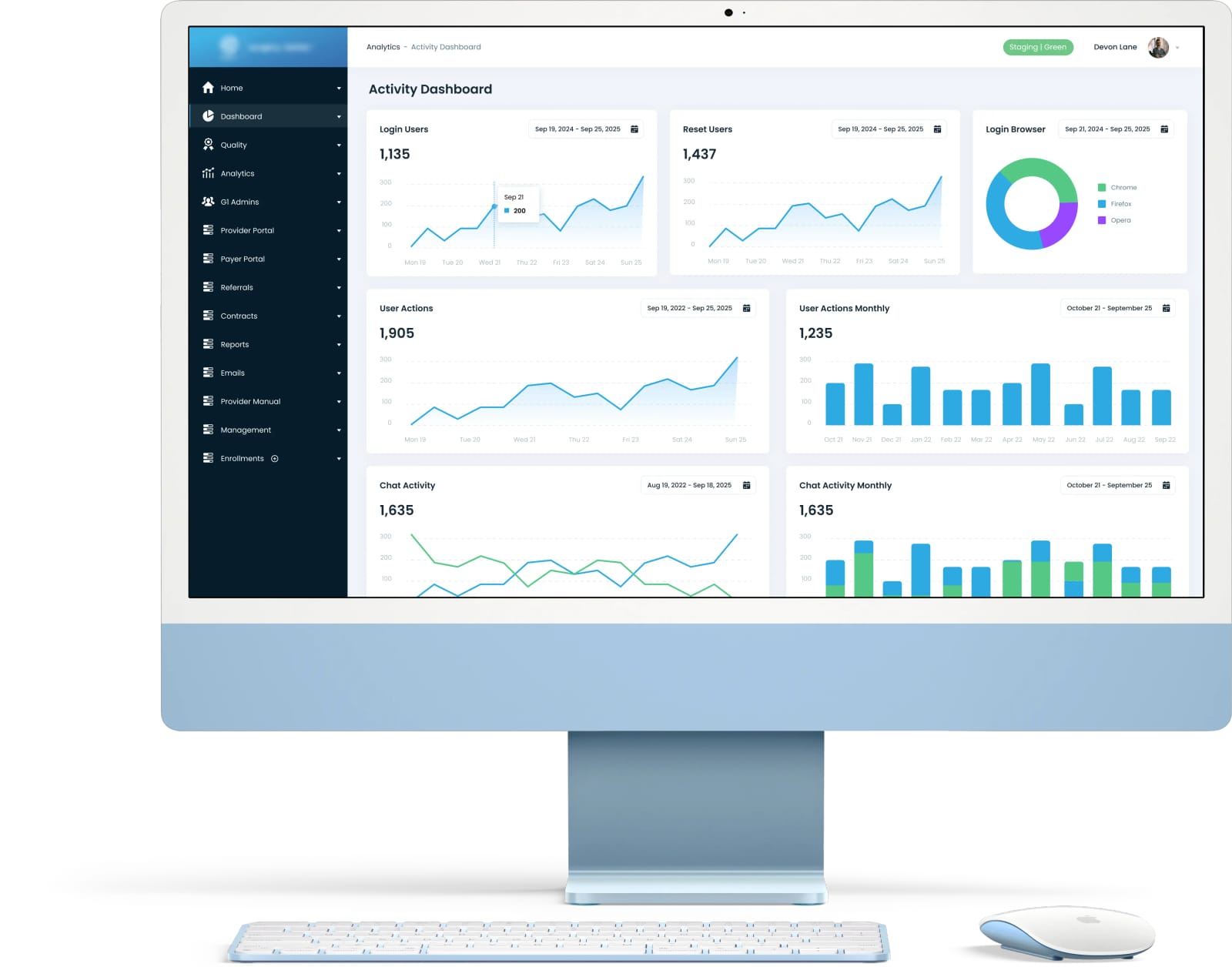
Self-service portal for healthcare providers in a state-wide network covering 120+ outpatient surgery centers. Claims and referrals 3× faster; 95% fewer inbound calls and emails.
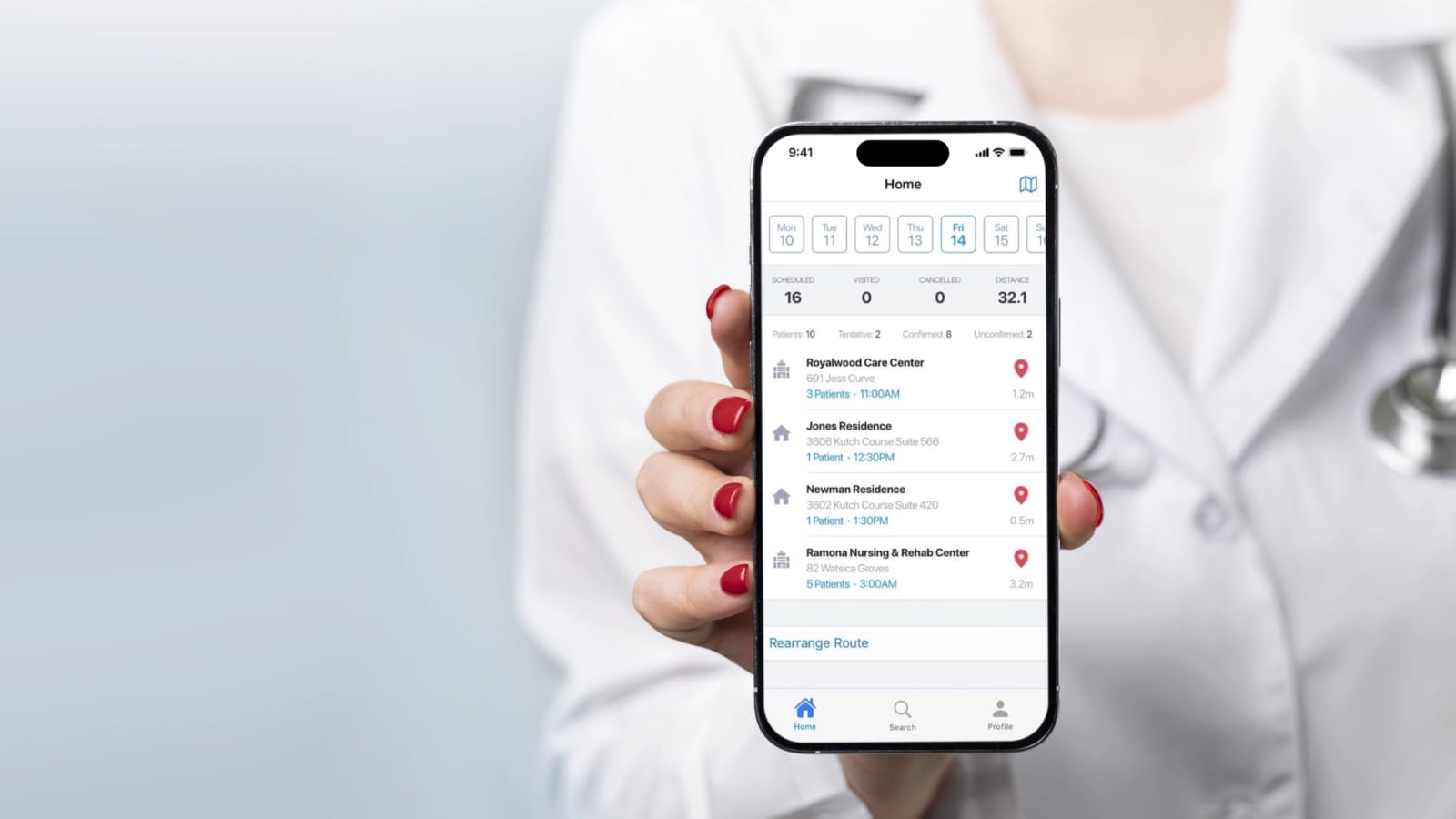
Mini-CRM + EHR-sync admin panel + PWA for doctors. Optimal route planning across multiple parameters (call frequency, doctor schedule, patient locations). Works with poor connectivity, with Google Maps integration.
HL7v2 is an older message format that most hospital systems still send, and FHIR is a newer web API standard from the same organization. Most projects use both: FHIR where the EHR supports it, HL7v2 for older feeds.
Yes, we have shipped Epic and athenahealth integrations. For any part of Epic we have not used before, we work from Epic's documentation and sandbox.
Yes, we can build it from Oracle Health's documentation and sandbox. The plan says up front which parts are new to us.
It depends on how many EHRs you need and how much you want to own. The free audit compares both for your case and gives you a written answer.
Yes. In our provider portal project, claims and referrals are checked against set rules and entered into the EHR automatically, and the claims team reviews only the unclear ones.
We build against the vendor's sandbox, test with missing and wrong data, and run a penetration test before launch. Real patient data flows only after a BAA is signed.