Video visits
One-to-one and group video using vendors that sign a BAA, such as Twilio or Zoom.
We build telehealth apps for patients, clinicians and families: video visits, scheduling, intake forms, chat and follow-up. For one telehealth client, a team of four shipped five systems in nine months.

Onix Health builds telehealth apps for patients, clinicians and families on web and mobile. A typical build includes video visits through vendors that sign a BAA, such as Twilio or Zoom, scheduling with SMS or email reminders, intake forms that change based on earlier answers, secure chat with the care team, and links to an e-prescribing vendor or an EHR. We sign a BAA with you, and the platform passes a penetration test before launch.
One-to-one and group video using vendors that sign a BAA, such as Twilio or Zoom.
Patients book with the right clinician and get SMS or email reminders before the visit.
Forms that change based on earlier answers, so patients only see the questions that apply to them.
Secure chat between patients and the care team, with attachments and history.
Apps where carers, family and friends share tasks and a calendar around one patient.
Connections to an e-prescribing vendor or an EHR, built from the vendor's documentation and sandbox.
Five working days. We look at your current system, data and plans, and you get a written report with what we found and what we would do.
We pick the first visit type, the states or countries you serve, and the vendors for video and messaging. You get a plan with dates.
We sign a BAA with you, and we use video and messaging vendors that sign one too.
Web and mobile apps built in short releases, tested with real clinicians, and penetration tested before launch.
We stay on to fix issues and add features from user feedback, as we have done on the home-care platform since 2017.
White-label mobile + dashboard platform enabling healthcare organizations to launch branded apps for patient-network coordination. Six apps live, 5+ year partnership.
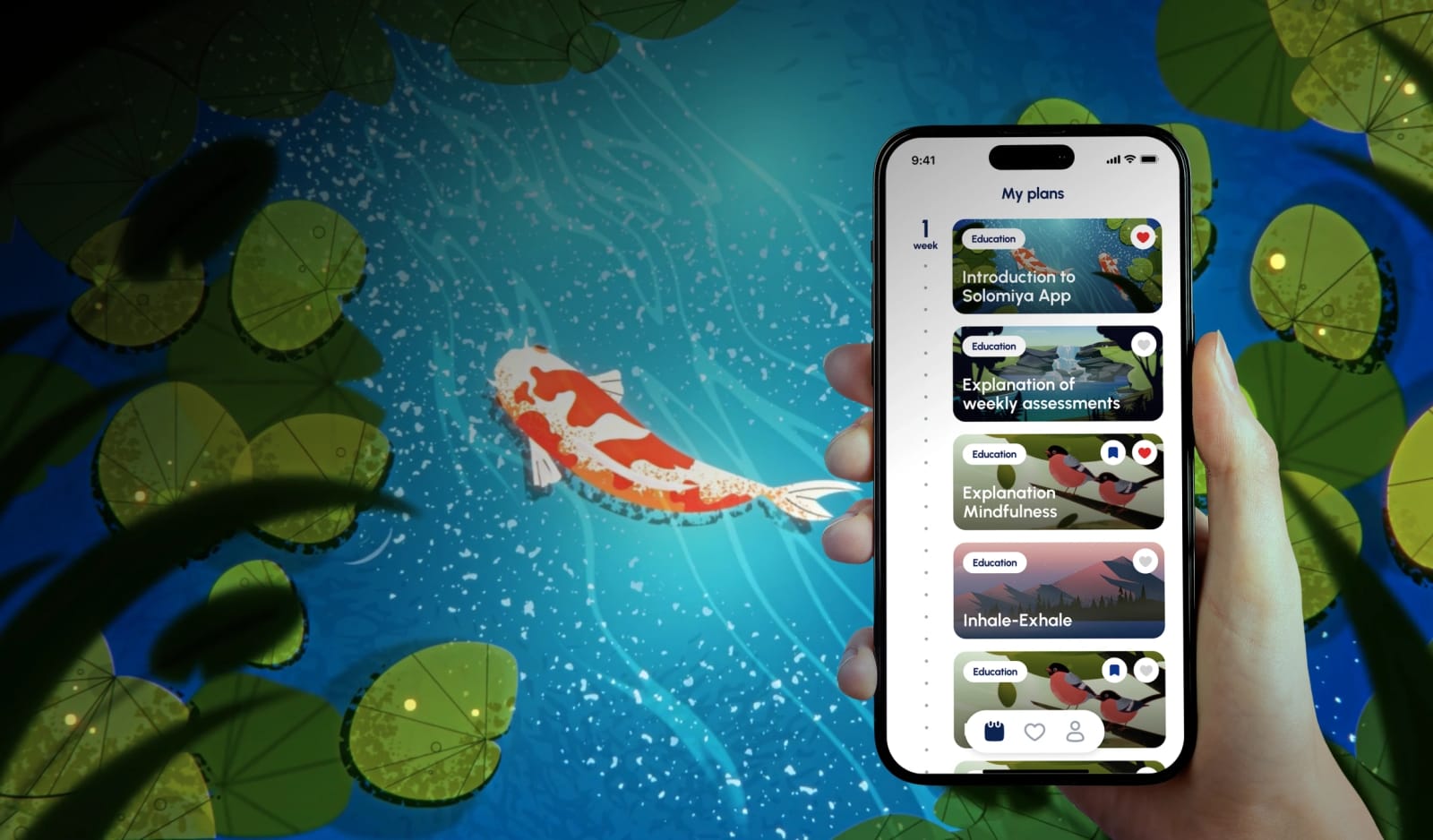
Mobile mental-health platform for the SOLOMIYA network (5 German + 20+ Ukrainian institutions). Weekly therapeutic plans, PHQ progress tracking, personalized recommendations, and a rewards system to motivate engagement.
We start with a free five-day audit, agree the first visit type, and build web and mobile apps in short releases. Video and messaging come from vendors that sign a BAA, and the platform passes a penetration test before launch.
We use video vendors that sign a BAA, such as Twilio or Zoom, and we sign a BAA with you. HIPAA also depends on how your team uses the system, so we document the setup for your compliance lead.
Yes. For an Australian digital health company we built a white-label platform that six branded apps now run on.
Yes. Our home-care platform has separate roles for the patient, admins, helpers and the wider family network, each with its own access.
Yes. We have shipped Epic and athenahealth integrations, and for other EHRs we work from the vendor's documentation and sandbox.
It depends on scope, and you get dated plans after the audit. As one example, a team of four shipped five systems in nine months for a telehealth client.